

Child arrangements
Child arrangements set out where your children will live and how they will spend time with each parent after separation. When you instruct Rushton Family Law, we help you reach arrangements that work for your children, whether that is by agreement or, where necessary, through a child arrangements order.
Child arrangements at a glance
- Child arrangements set out where children live and how they spend time with each parent.
- Most parents agree arrangements without going to court, often with a parenting plan.
- Before applying to court, you will usually need to attend a mediation information meeting.
- Cafcass carries out safeguarding checks and may report on the children’s welfare and wishes.
- The court’s paramount consideration is always the children’s welfare.

Specialist Divorce and Family Lawyers
Rushton provides discreet representation for divorce, financial settlements, and arrangements for children. We treat every case with the care it deserves, without losing sight of what actually needs to get done.
When it really matters
Getting advice on child arrangements
We start by understanding your family’s circumstances. That means the children’s ages and routines, how care has been shared until now, each parent’s work commitments, and where each of you will be living. We will also talk about what you think is best for the children and where the points of disagreement are likely to be.
From there, we will advise you on what realistic arrangements look like and how best to reach them.
Agreeing arrangements
Most parents agree child arrangements without going to court. Arrangements can be negotiated between solicitors, worked out in mediation, or set out in a parenting plan covering term time, holidays, birthdays and how decisions will be made. Where it helps, an agreement can be recorded in a court order by consent.
Applying for a child arrangements order
Where agreement isn’t possible, either parent can apply to court for a child arrangements order. Before applying, you will usually need to attend a mediation information meeting. The case then typically passes through these stages:
- First hearing. Cafcass, the court’s advisory service for children, carries out safeguarding checks, and the court looks at whether the issues can be narrowed or agreed.
- Reports and evidence. If needed, the court may ask Cafcass to prepare a report on the children’s welfare and wishes.
- Dispute resolution appointment. The court reviews the evidence and tries again to help the parents reach agreement.
- Final hearing. If the case still hasn’t been resolved, the judge decides.
Throughout, the court’s paramount consideration is the children’s welfare. We prepare your application or response, advise you at each stage, and act for you at hearings.
When arrangements need to change
As children grow up and circumstances change, arrangements may need to be revisited. We advise on changing an existing agreement or order, and on what can be done if an order isn’t being followed.
Our Team
Our team of specialist family solicitors offer expert advice in proportion to what’s at stake for you. We advise on all areas of family law and bring the same care and high standard to every family we work with.

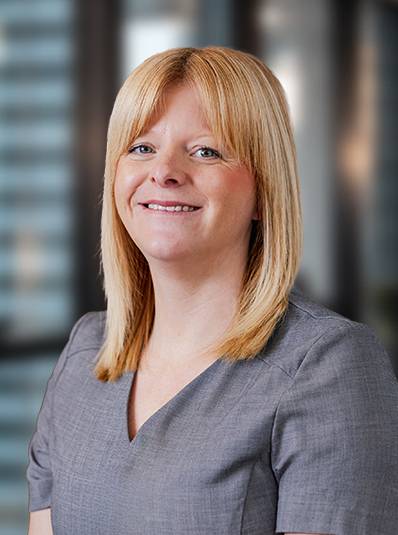
Amie Pine
Partner - Divorce & Family

Emma Shortland
Associate

Ella Perry
Assistant Solicitor
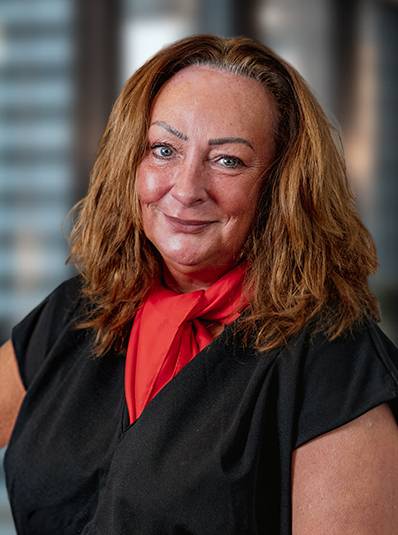
Samantha Patel
Legal Support Assistant
Reviews and testimonials

Firstly, Amie Pine. This particular solicitor is an absolute master of her craft. She's knowledgeable, caring, understandable, professional and always one step ahead
The second person I would like to mention in my review is Emma Shortland. Her knowledge of the law is incredible. Please don't let her age put you off, as upon those very young shoulders is a very wise head.
Amie was brilliant helping me through and managing my divorce financials both professionally and personally, cannot recommend enough, thanks again Amie!
I recently went through a difficult divorce, and I cannot express enough gratitude for the exceptional service provided by my solicitor, Amie Pine.
From the very beginning, Amie provided clear, concise guidance and her expertise, professionalism, and compassion made a significant difference during this challenging time.
Amie was always available to answer my questions, no matter how trivial they seemed, and provided reassurance during the most stressful moments.
Amie was not only a legal advisor but also a pillar of support, helping me navigate the emotional and financial aspects.
Thank you, Amie, for making a difficult time more manageable and for helping me move forward with my life.
Amie Pine has helped me get through a financially and emotionally challenging divorce with great empathy, expert advice and the utmost professionalism.
She is always responsive and worked quickly to ensure the matter progressed despite the other party's delays and unreasonable demands. Thank you Amie - it's been a real pleasure having you represent me.
Nicola and the team are the best support you could ask for at the most difficult of times.
As well as being knowledgeable, forward thinking, organised and hard-working, [Nicola] has empathy and goes above and beyond for her clients.
I feel safer and not alone, knowing that I have Nicola's support - securing her to act for me was a huge weight lifted. No matter what the result, I am confident that she will have secured the best outcome possible.
outstanding legal representation when it really matters
FAQs
A father with parental responsibility has the same say as the mother in major decisions about the child. There’s no automatic right to equal time, but the court starts from the position that a child benefits from both parents being involved, unless that would put the child at risk.
Cafcass is the Children and Family Court Advisory and Support Service, which represents children’s interests in family court cases in England. It carries out safeguarding checks and, where needed, prepares reports on the children’s welfare and wishes. In Wales, the same role is carried out by Cafcass Cymru.
How we work
An experienced family solicitor will run your matter from the first meeting onwards, and you will deal with them directly rather than being passed between members of a team.
Part of their job is to help you decide where your time and money are best spent. In most divorces there are points worth pressing and points that make little difference to the end result, and we will be straightforward with you about which is which.
A lot of matters are resolved through negotiation or mediation, and where that is realistic we will recommend it. Where it is not, because the other side will not engage, or disclosure is incomplete, or the issues are genuinely contested, we will advise you on taking the matter to court and act for you there.
Rushton Family Law is the sister brand of Vardags. If your case involves complex finances or international issues, we will introduce you to the Vardags team.
Request a confidential call
Please share a few details about your circumstances and one of our specialist family lawyers will contact you at a convenient time. If a telephone call is not suitable, please let us know your preferred method of contact.